FITUR Madrid, the International Tourism Trade Fair, is the first major event of the year for the global travel industry. Every January it brings destinations, hotel groups, airlines, tour operators and travel technology companies to IFEMA Madrid for five days of meetings, presentations and deals. This guide explains what FITUR is, when it takes place, who attends and how to prepare as an exhibitor, from choosing your objectives to planning the stand and the logistics.
Last updated: October 2026. Dates checked against the official FITUR website.
What is FITUR Madrid?
FITUR (Feria Internacional de Turismo) is one of the leading international trade fairs for the tourism industry. It is organised by IFEMA MADRID and has been held since 1981; the 2027 edition is the 47th. It brings together tourism professionals, companies, public tourism bodies and destinations from around the world, and it works as a platform for promotion, networking and knowledge sharing.
The show stands out for its diversity. National and international destinations share the halls with hotel chains, travel agencies, airlines, transport companies and technology providers. It plays a central role in launching new tourism products, forming commercial partnerships and discussing the trends that will shape the year ahead.
FITUR is also a showcase. Country and regional pavilions present their natural and cultural attractions with creative stands that immerse visitors in the destination, from landscapes to gastronomy and culture.
FITUR 2027: dates, venue and opening days
| Edition | 47th edition, FITUR 2027 |
|---|---|
| Dates | 20–24 January 2027 |
| Trade days | Weekdays (Wednesday 20 to Friday 22 January) |
| Public days | Weekend (Saturday 23 and Sunday 24 January) |
| Venue | IFEMA MADRID, Avenida del Partenón 5, 28042 Madrid |
| Official website | ifema.es/fitur |
IFEMA has announced that the 2027 edition will grow by two additional halls. On its website, IFEMA cites more than 155,000 trade participants and 161 countries for the show. Always check the official exhibitor area for the latest timetable, build-up schedule and deadlines.
IFEMA is in the north-east of Madrid, a short ride from Adolfo Suárez Madrid-Barajas airport and connected to the city centre by metro. For international exhibitors, that makes travel straightforward, but hotels near the venue and in the centre fill up early for FITUR week, so book as soon as your participation is confirmed.
Who exhibits and who visits
FITUR’s exhibitors include:
- Destinations and tourist boards: countries, regions and cities, often in large pavilions.
- Accommodation: hotel groups, resorts and alternative accommodation.
- Transport: airlines, rail operators, cruise lines and car rental companies.
- Intermediaries: tour operators, travel agencies and incoming DMCs.
- Technology and services: booking platforms, travel tech, payments, data and consultancy.
On trade days, visitors are mostly professionals: buyers, agents, tour operators, journalists and public officials. At the weekend the profile changes completely, with large numbers of travellers looking for inspiration and offers. A good FITUR stand is designed for both.
Why exhibit at FITUR?
The main reasons companies and destinations exhibit:
- Networking: meet destinations, agencies, hotel groups, airlines and other key players in one place, and build long-term partnerships.
- Trends and knowledge: conferences and sessions keep you up to date on traveller behaviour, innovation and best practice.
- Destination promotion: an unrivalled showcase for a destination’s culture, gastronomy, activities and landscapes, to trade and public audiences.
- Deals and agreements: FITUR is a place to negotiate, close agreements and sign contracts with new partners.
- Product launches: a specialist, interested audience and strong media presence for new products and services.
- Inspiration: seeing what others offer is a source of ideas for new tourism products.
- Sustainable tourism: the show has reinforced its focus on responsible tourism, with opportunities to learn and collaborate.
- Access to leaders: direct contact with experts and decision-makers in the sector.
FITUR also has a wider economic impact on Madrid: hotels, restaurants and shops all benefit from the influx of visitors during the show week.

Planning your FITUR timeline
Because FITUR is held in January, the timeline is shaped by the end of the year. A realistic plan looks like this:
- Spring–summer: confirm participation and book floor space with IFEMA. Define objectives and budget.
- September–October (ideally 3–4 months ahead): brief your stand builder, agree the concept and 3D design.
- November: final design sign-off, submission of stand plans to the organiser, ordering of services such as electricity, internet and water.
- November–December: production in the workshop, graphics and AV. Remember that in Spain many suppliers slow down from Christmas Eve until 6 January (Epiphany), so production must be well advanced before the holidays.
- January: transport, build-up in the days before opening, staff briefing, the show itself and dismantling.
For a month-by-month version, see our exhibition stand planning checklist.
5 keys to a stand at FITUR Madrid
For detailed design advice, read our article on FITUR stand design. In summary, these are the five keys that make the difference:
1. Creative, custom design
Use design elements that reflect the identity of your company or destination. Colours, shapes, materials and images should be in tune with your brand and the experience you offer.
2. Interaction and experience
Include elements that let visitors take part and learn actively: simulators, local food tastings or cultural activities that capture the essence of the destination.
3. Technology and multimedia
Screens, video, interactive apps and virtual reality help visitors explore a destination immersively. Technology also makes it easier to capture contact details for follow-up.
4. Hospitality and service
Your team should be well informed and ready to answer questions and guide visitors. Small details, such as local food or promotional gifts, are part of the welcome. At an international show like FITUR, cover the languages your target markets speak.
5. Space for meetings and rest
A meeting or lounge area encourages networking and gives you room for deeper conversations about collaborations and agreements, especially on the trade days.

Designing for trade days and public days
The split between trade and public days is specific to FITUR and affects the stand design:
- Trade days: prioritise meeting areas, a reception counter that manages appointments and space for presentations.
- Public days: expect much higher footfall. Durable finishes, clear circulation, secure storage and enough promotional material become essential.
- Flexibility: furniture and screens that can be reconfigured between the two phases help the same stand serve both audiences.
Checklist for foreign exhibitors at FITUR
If you are exhibiting at FITUR from outside Spain, these are the points that most often need attention:
- Floor space and stand type: decide early whether you need a shell scheme from the organiser or a space-only plot with a custom stand built by your own contractor.
- Exhibitor manual: read IFEMA’s technical regulations for the edition, including height limits, deadlines for plan submission and rules for build-up and dismantling.
- Services: electricity, internet, water and cleaning are ordered separately and have their own deadlines.
- Travel and hotels: book flights and accommodation for the stand team as early as possible; FITUR week is one of the busiest in Madrid’s calendar.
- Languages: plan staff who can attend visitors in Spanish and English, plus the languages of your priority markets.
- Materials and samples: if you bring products, food or promotional items from outside the EU, check customs requirements well in advance.
- Invoicing: agree payment milestones and invoicing details with your stand builder from the start.
Building your stand at IFEMA Madrid
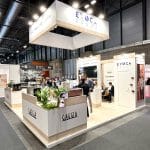
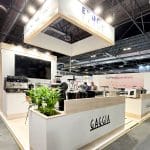
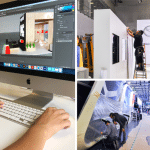
We design and produce stands in our Barcelona workshop and our own crew builds them at IFEMA within the organiser’s schedules. We take care of plan submission, service orders, transport, build-up and dismantling, with one English-speaking contact and a single invoice. Read more on our FITUR stand design page and our stand design in Madrid page.
FITUR is not the only tourism event worth considering. IBTM World, the meetings and events industry show, is held in Barcelona, and our overview of trade fairs in Spain in 2027 lists the main shows by sector.
Frequently asked questions
When is FITUR 2027?
FITUR 2027 runs from 20 to 24 January 2027 at IFEMA Madrid. According to IFEMA, the weekdays are reserved for trade professionals and the weekend is open to the general public. Check ifema.es/fitur for the official timetable.
Where is FITUR held?
At IFEMA Madrid, Avenida del Partenón 5, in the north-east of the city and close to Adolfo Suárez Madrid-Barajas airport. The venue is connected to the city centre by metro line 8.
Who exhibits at FITUR?
National and international tourism destinations, regional and national tourist boards, hotel groups, tour operators, travel agencies, airlines and transport companies, and travel technology providers.
Is FITUR open to the public?
Yes, but only on the weekend. The first three days are for trade visitors; the last two are open to the general public, which changes the type of visitor, the volume of people and how your stand team should work.
When should we start planning a stand for FITUR?
Ideally 3–4 months before the show, which for a January edition means briefing your stand builder in September or October. Production falls in November and December, so allow for the Christmas holidays in Spain, when many suppliers slow down.
How much does a stand at FITUR cost?
As a guide, a basic modular stand costs from €3,000–6,000, a mid-size custom stand €20,000–30,000, and large destination pavilions or premium stands can exceed €100,000. Floor space is paid separately to IFEMA.
Exhibiting at FITUR?
Factoría Creativa has over 20 years of experience designing and building stands for trade fairs in Madrid, Barcelona and across Europe. Tell us about your destination or brand and we will propose a concept and quote. Call +34 933 17 17 71, email factoriacreativa@factoriacreativa.net or contact us.